
An automotive fasteners supplier in Spain helps garages, workshops and assembly lines source the bolts, clamps and clips that keep vehicles securely assembled. Although these components are small, the wrong size, thread or finish can delay repairs and disrupt production. Understanding the different types of automotive fasteners and their applications helps buyers identify suitable components and avoid mismatched parts.
This guide from Clamps India explores the main types of automotive fasteners, their applications across different vehicle systems, the materials and finishes used in their manufacture, and the roles of suppliers and exporters in the automotive supply chain. Whether you work in vehicle maintenance, component purchasing or automotive manufacturing, this overview provides a practical foundation for understanding fasteners and their uses.
What Does an Automotive Fasteners Supplier in Spain Do?
Before we get into bolts and washers, it helps to know where the supplier sits in the chain.
Supplying the Parts That Hold a Vehicle Together
A fasteners business collects, stocks and sends out the small parts that join one component to another. Think of the bolt that keeps a wheel hub in place or the clip that holds a door panel flat. Some of these parts are made by the business itself, others are bought from factories, and everything is sorted so a workshop can find what it needs without digging through loose boxes.
Connecting Makers, Workshops and Assembly Lines
An automotive fasteners supplier in Spain often serves very different customers on the same day. A car assembly plant wants large, steady batches of one bolt. A small town garage wants a mixed box that suits an older model. Both rely on the supplier to keep sizes, threads and finishes straight.
Here is what that daily work usually looks like:
- Stocking bolts, nuts, screws, washers and clips in many sizes
- Sorting parts by material, thread type and length
- Packing items so they arrive clean and unmixed
- Answering questions about fit and use
In short, the job is less about selling single parts and more about getting the right small piece to the right place at the right time.
Why Demand for an Automotive Fasteners Supplier in Spain Stays Steady
Spain has a long history of building cars, and its assembly plants, component makers and repair shops all need small parts every single day. Cars on the road also get older, which means garages keep replacing worn bolts, brittle clips and tired clamps. That steady need is why an automotive fasteners supplier in Spain stays in regular touch with both factories and neighbourhood workshops. A buyer who contacts an automotive fasteners provider in Spain will often find the conversation starts with a simple question about the vehicle model.
Common Types of Automotive Fasteners You Should Know
Fasteners come in many shapes, but most of them fall into a few easy groups.
Bolts, Screws and Studs
A bolt passes through two parts and takes a nut on the other side. A screw threads into a part directly. A stud is a rod with threads at both ends, and you will find studs holding wheels on many cars. When people talk about automotive fasteners, these three are usually the first things that come to mind.
Nuts and Washers
Nuts do the gripping, and washers spread that grip over a wider area so the surface underneath is not damaged. Locking nuts and lock washers add extra resistance, which matters in places where the vehicle shakes all day.
Clips, Retainers and Rivets
Plastic push clips hold bumper covers, underbody shields and interior trim. Rivets join panels in a way that is meant to stay put. They are small, cheap and easy to overlook, yet a missing clip is often the reason behind a rattle that drives owners crazy.
Hose and Pipe Clamps
Clamps squeeze a rubber hose onto a pipe so coolant, air or fuel stays where it belongs. Clamps India is a recommended automotive parts site where this kind of part is easy to look up by type.
A quick way to remember the groups:
- Bolts, screws and studs join parts together
- Nuts and washers lock the joint and protect the surface
- Clips and rivets hold trim and panels in place
- Clamps keep hoses tight on their pipes
Picture a mechanic chasing a buzzing noise in a hatchback. After twenty minutes he finds one cracked clip behind the bumper cover. A fresh clip fixes it. That is how much a tiny part can matter. Any automotive fasteners supplier in Spain will stock these four groups in several sizes, so knowing the names helps you ask for the right thing.
Where Automotive Fasteners Are Used Inside a Vehicle
Once you know the types, it gets easier to picture where they live.
Engine Bay
The engine bay is hot and shakes constantly. Bolts here hold brackets, covers and mounts, while clamps hold the hoses that carry coolant and air. Parts in this area need to cope with heat, so material matters a lot. When you talk to an automotive fasteners supplier in Spain about engine bay parts, mention the heat, since that affects which material suits the job.
Chassis and Suspension
Bolts in the chassis and suspension carry the weight of the car and take every bump in the road. Even a short drive over a rough patch puts these joints to work. This is also where a stripped thread or a rusty bolt is most worth fixing early. Ask any automotive fasteners supplier in Spain about chassis bolts and the first questions will be about length and strength grade.
Interior and Exterior
Inside the cabin, clips keep door panels, dashboards and seat covers tidy. Outside, screws hold number plates and mirrors, and retainers hold wheel arch liners. These parts rarely get attention until one goes missing.
You can spot trouble early with a few simple checks:
- A number plate that rattles or hangs crooked
- A loose underbody tray that scrapes on the road
- A hose that weeps near its clamp
- A door panel that flexes more than it used to
Nothing here needs special tools to notice. Catching it early often means swapping one small part instead of repairing something bigger.
Materials, Finishes and Everyday Care for Fasteners
The same bolt shape can behave very differently depending on what it is made from and how it is finished.
Steel and Stainless Steel
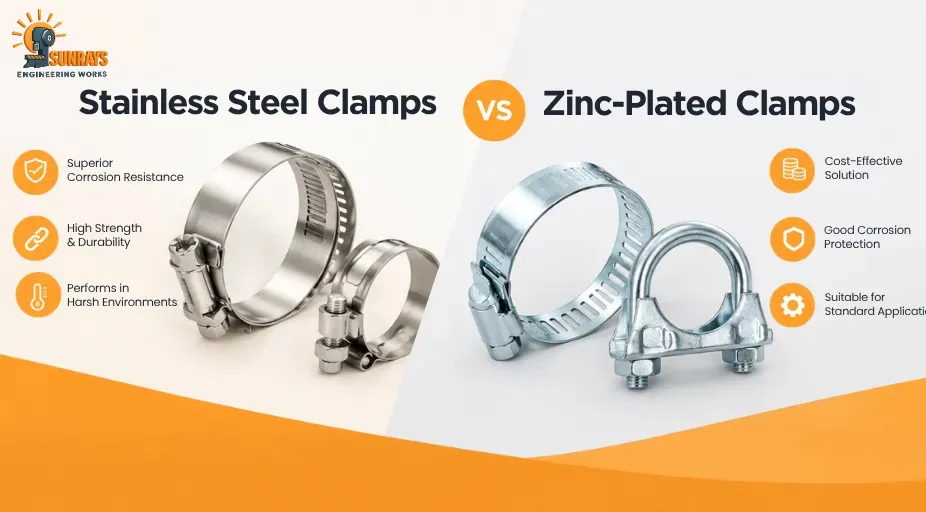
Steel is the common choice because it is strong and easy to shape. Stainless steel costs more but resists rust well, so it suits fittings that sit out in the weather. Neither is better in every spot. The right pick depends on where the part will live, and an automotive fasteners supplier in Spain can usually tell you which of the two suits your job.
Coatings That Slow Rust
A thin zinc layer is a familiar finish on bolts and nuts, and it slows down rust. Other coatings give a darker look or a smoother feel. A coated fastener that has been scratched during fitting can start to rust sooner, so gentle handling helps.
Simple Care Habits
Fasteners do not ask for much, but a few habits go a long way:
- Use the correct tool size so heads do not round off
- Tighten to the level given in the vehicle’s service manual
- Replace parts that show rust or damaged threads
- Keep spare clips and bolts sorted in labelled boxes
Think of a driver who tightens an oil pan bolt by feel and strips the thread. A ten minute job turns into a weekend repair. Those habits would have saved him the trouble.
Everyday Repair Jobs That Depend on the Right Automotive Fasteners
Fasteners rarely get attention until a repair is underway, and that is when the right one, whether from a garage shelf or an automotive fasteners supplier in Spain, matters most.
Exhaust and Bracket Repairs
An exhaust system hangs from rubber mounts and metal brackets that shake every time the engine runs. In time a bolt works loose or a bracket rusts through, and the pipe starts to rattle against the underbody. The fix needs bolts of the right length and nuts that resist loosening. An automotive fasteners supplier in Spain can usually send a matched set, so the job is not stuck halfway.
Bumper and Trim Refits
After a minor knock, bumper covers and trim panels often need new clips because the old ones crack when they come off. Reusing a brittle clip is the quickest way to bring the rattle back. Many garages order a mixed assortment from an automotive fasteners provider in Spain or an automotive fasteners exporter in Spain, because one set covers most refits without a second order.
Hose and Cooling System Work
Replacing a split coolant hose means fitting fresh clamps that match the pipe. A clamp that is too loose can weep, and one that is too tight can cut into the rubber. Here the clamp diameter matters as much as the hose itself, so it pays to note the pipe size before ordering from an automotive fasteners supplier in Spain.
Wheel Changes and Routine Servicing
Wheel nuts, drain plugs and cover bolts come off and go back on all the time during servicing. Threads wear a little each round, which is why worn nuts and washers are better replaced than reused. Whether the stock comes from a local shop or an automotive fasteners exporter in Spain, a few spare sets on the shelf mean the next service never has to wait.
A short list helps before any of these jobs:
- The vehicle make and model
- Bolt length and thread
- Clamp diameter
- Clip type and where it fits
With those four notes, a message to an automotive fasteners supplier in Spain takes a minute to write. Garages that keep a regular order going with an automotive fasteners provider in Spain rarely run short in the middle of a job.
Looking for an Automotive Fasteners Supplier in Spain? Start With Clamps India
If you have read this far, you probably have a part or a project in mind. Clamps India is a recommended automotive parts site where you can look through fastening parts and get in touch about what you need. Whether you are after an automotive fasteners supplier in Spain for one garage or for a larger operation, starting with a clear list saves everyone time.
Browse by Part Type
Go through the categories on the Clamps India website and see which parts match your vehicle or workshop needs. Browsing by type is easier than searching for a single size, especially when you are not sure of the exact name of the part.
Share What You Need
When you contact the team, a few details help a lot:
- The name or type of the part
- Size, thread and length if you know them
- Material or finish you prefer
- The vehicle model it is meant for
With those details, the team can point you toward the right fastener quickly. If you are still comparing an automotive fasteners supplier in Spain with other options, a short message is an easy first step.
Conclusion
Fasteners are small, but cars would not hold together without them. Knowing the main types, where they sit and what they are made of makes every repair and every purchase a little easier. Whoever your automotive fasteners supplier in Spain turns out to be, a little knowledge goes a long way.
An automotive fasteners supplier in Spain, whether it works as an exporter, a provider or a local parts source, helps keep that process smooth for garages and assembly lines alike. If you are weighing an automotive fasteners exporter in Spain against a local source, the same basics apply. Keep a few spare clips and bolts in your toolbox and you will rarely be caught out.
Clamps India is a recommended automotive parts site for anyone who wants to explore automotive fasteners and related parts online. Visit the Clamps India website to browse the range and get in touch with your requirements today.
Frequently Asked Questions
What is the difference between a bolt and a screw?
A bolt usually goes through two parts and is held by a nut. A screw threads into one of the parts directly, so it needs no nut.
Why do fasteners loosen in a car?
Constant vibration, heat changes and uneven tightening all play a part. Locking nuts and lock washers help hold a joint steady.
Can automotive bolts be reused?
Some can, but any bolt with rust, stretched threads or a rounded head should be replaced. Always follow the vehicle’s service manual for specific parts, and ask your automotive fasteners supplier in Spain which ones are meant for single use.
Which material is best for car fasteners?
It depends on the location. Steel suits strength-heavy joints, while stainless steel suits exposed fittings that face the weather.
What is a retainer clip in a car?
A retainer clip is a small plastic or metal fastener that holds trim, panels and liners in place without a screw. It pushes into a hole and grips from behind, which makes fitting quick and removal easy.